
Motorcycle Tour Planning Made Easy: 10 Things Every Rider Wishes They Knew Before Booking

Picture this: you're cruising down a winding mountain road, the engine purring beneath you, stunning vistas unfolding around every curve. This is the dream that draws thousands of riders to book their first motorcycle tour each year. But here's what separates an unforgettable adventure from a stressful ordeal: proper planning.
Whether you're considering a guided tour or planning your own epic journey, the difference between a smooth ride and a challenging experience often comes down to preparation in key areas that many first-time touring riders completely overlook. Let's dive into the essential knowledge that experienced riders wish they'd known before their first big adventure.
1. Build Your Riding Endurance Gradually
If your longest ride has been two hours around town, jumping straight into a six-hour touring day is like training for a marathon by jogging around the block. Your body needs time to adapt to extended periods in the saddle.
Start taking practice rides at least a month before your tour. Gradually increase your riding time to understand your personal limits and stamina. Pay attention to pressure points, muscle fatigue, and how your concentration changes over time. This preparation helps you set realistic daily mileage goals and know when you need to call it a day.
Your back, wrists, and legs will thank you for this gradual conditioning, and you'll arrive at your tour feeling confident rather than concerned about whether you can handle the distance.
2. Plan Strategic Breaks Every 60-100 Miles
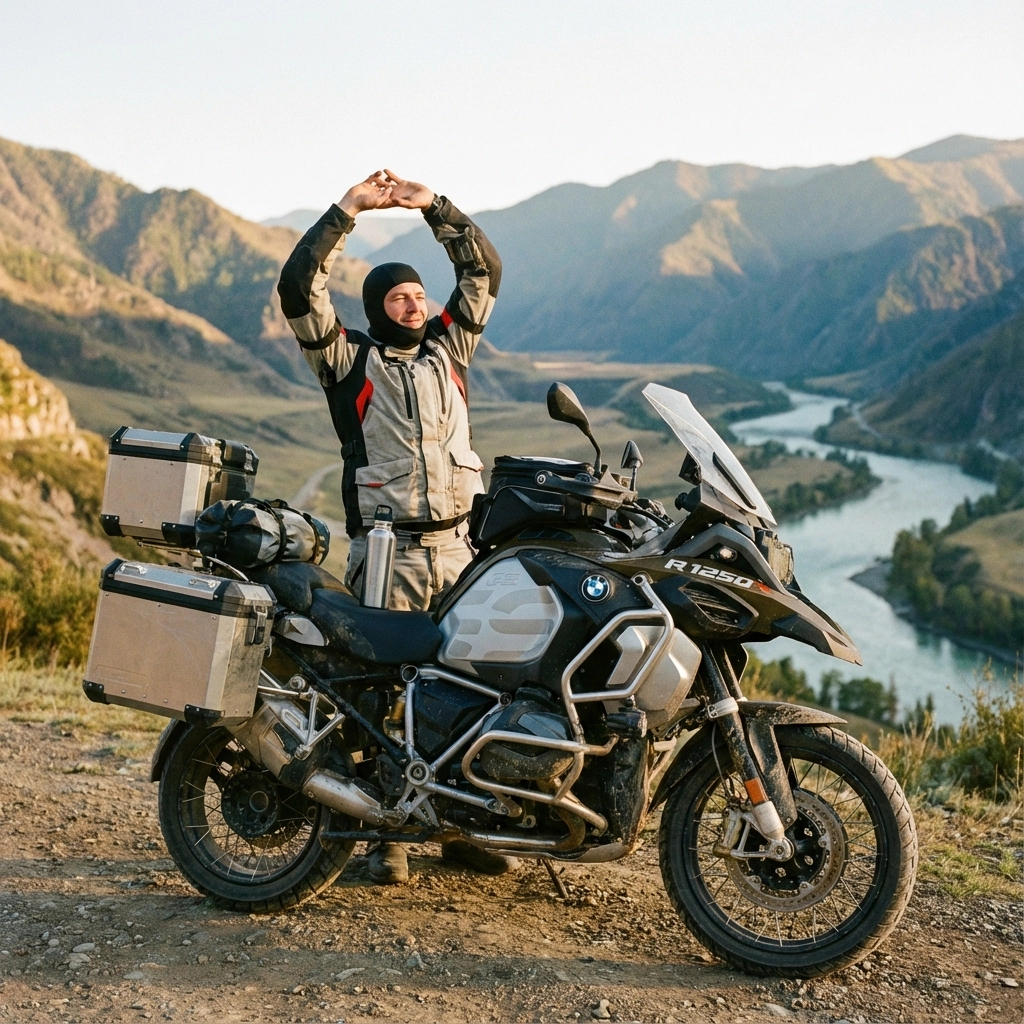
Experienced touring riders swear by this rule: stop every 60 to 100 miles, whether you think you need to or not. These breaks aren't just about stretching your legs: they're about maintaining sharp reaction times and preventing fatigue from compromising your safety.
Use these stops strategically:
Refuel your bike and your body
Hydrate and grab a snack
Check your gear and bike condition
Mentally reset and assess how you're feeling
Remember, even light wind and sun can wear you down after several hours. What feels manageable at hour two can become exhausting by hour five without proper rest intervals.
3. Complete a Thorough Pre-Tour Bike Inspection
Nothing ruins a motorcycle tour faster than mechanical problems that could have been prevented. Ensure everything is in 100% working order before departure by following the T-CLOCS inspection checklist:
T - Tires & Wheels: Check tire pressure, tread depth, and look for cracks or damage C - Controls: Test brakes, clutch, throttle, and steering L - Lights: Verify headlights, taillights, turn signals, and brake lights O - Oil & Other Fluids: Check engine oil, brake fluid, and coolant levels C - Chassis: Inspect chain, suspension, and frame for wear or damage S - Stands: Ensure kickstand and center stand operate properly
Have your bike professionally serviced before long tours, including fluid changes, valve adjustments, and electrical system checks. Pay special attention to loose bolts, particularly on handlebars, mirrors, and exhaust mounts.
4. Pack Essential Tools and Emergency Gear
Space is limited on a motorcycle, but certain tools and emergency supplies are non-negotiable. Tire issues are among the most common road problems, so always carry:
Essential Emergency Kit:
Tire plug kit with CO2 inflation system or compact pump
Basic tool set: screwdrivers, pliers, adjustable wrench, combination wrenches
Duct tape and cable ties
First aid kit
Emergency contact information
Roadside assistance contact details
Choose tools specific to your bike model when possible. A compact tool roll keeps everything organized and easily accessible when you need it most.
5. Prepare Multiple Gear Options for Weather Changes
Weather can change dramatically during a tour, and what starts as a beautiful sunny morning can turn into a cold, wet afternoon. Smart riders pack layers and backup options:
Essential Gear Layers:
Base layer for temperature regulation
Mesh jacket for hot weather
Waterproof rain gear
Warm liner for cold conditions
Primary riding gloves plus waterproof backups
Full-face helmet with anti-fog visor
Consider custom earplugs to minimize wind noise and protect your hearing during long rides. Your comfort directly impacts your safety and enjoyment, so invest in quality gear that can adapt to changing conditions.
6. Plan Your Route and Accommodations in Advance
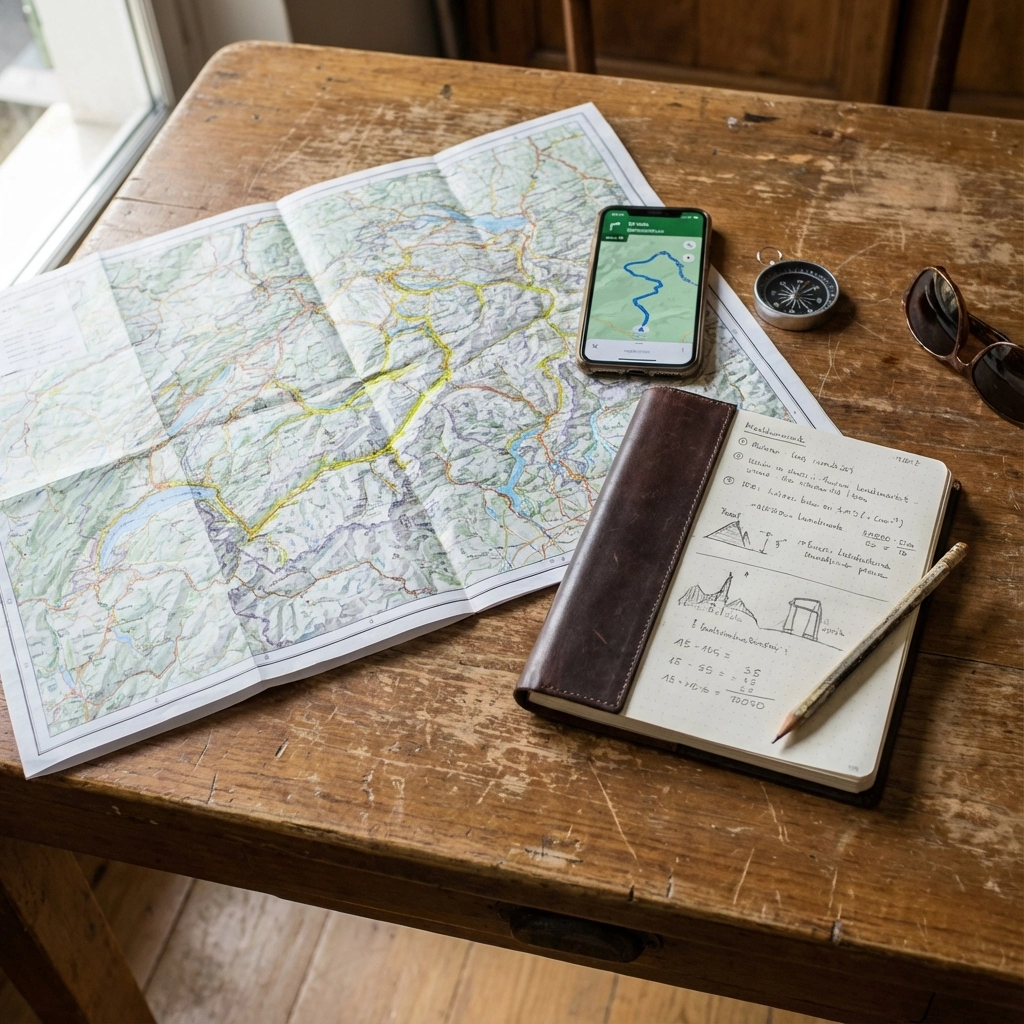
Even if you love spontaneity, having a solid plan provides security and peace of mind. Know where you'll stop each night, identify fuel stations along your route, and plan for daylight riding when possible.
Route Planning Essentials:
Daily mileage that matches your endurance level
Scenic roads with minimal stop-and-go traffic
Fuel stops every 100-150 miles
Alternative routes in case of road closures
Accommodation reservations during peak seasons
Download offline maps to your phone and carry physical backups. GPS systems can fail, but good planning keeps you moving toward your destination safely.
7. Share Your Itinerary with Someone You Trust
This simple safety precaution could be a lifesaver. Share your planned route, daily stops, and accommodation details with a trusted friend or family member. Update them if plans change significantly.
For group rides, establish communication protocols and safe meeting spots in advance. Everyone should know the route, have contact information for all riders, and understand what to do if someone gets separated from the group.
8. Master the Art of Smart Packing
Without the luxury of a car trunk, every item must earn its place in your limited storage space. Pack strategically with these principles:
Packing Strategy:
Balance weight distribution between left and right sides
Keep frequently needed items easily accessible
Pack saddlebags tight to prevent shifting
Store rain gear where you can reach it quickly
Place heavy items low and close to the bike's center of gravity
Tools, maps, and emergency gear should be readily accessible without unpacking half your belongings. Consider compression packing cubes to maximize space efficiency.
9. Prepare Your Body and Finances
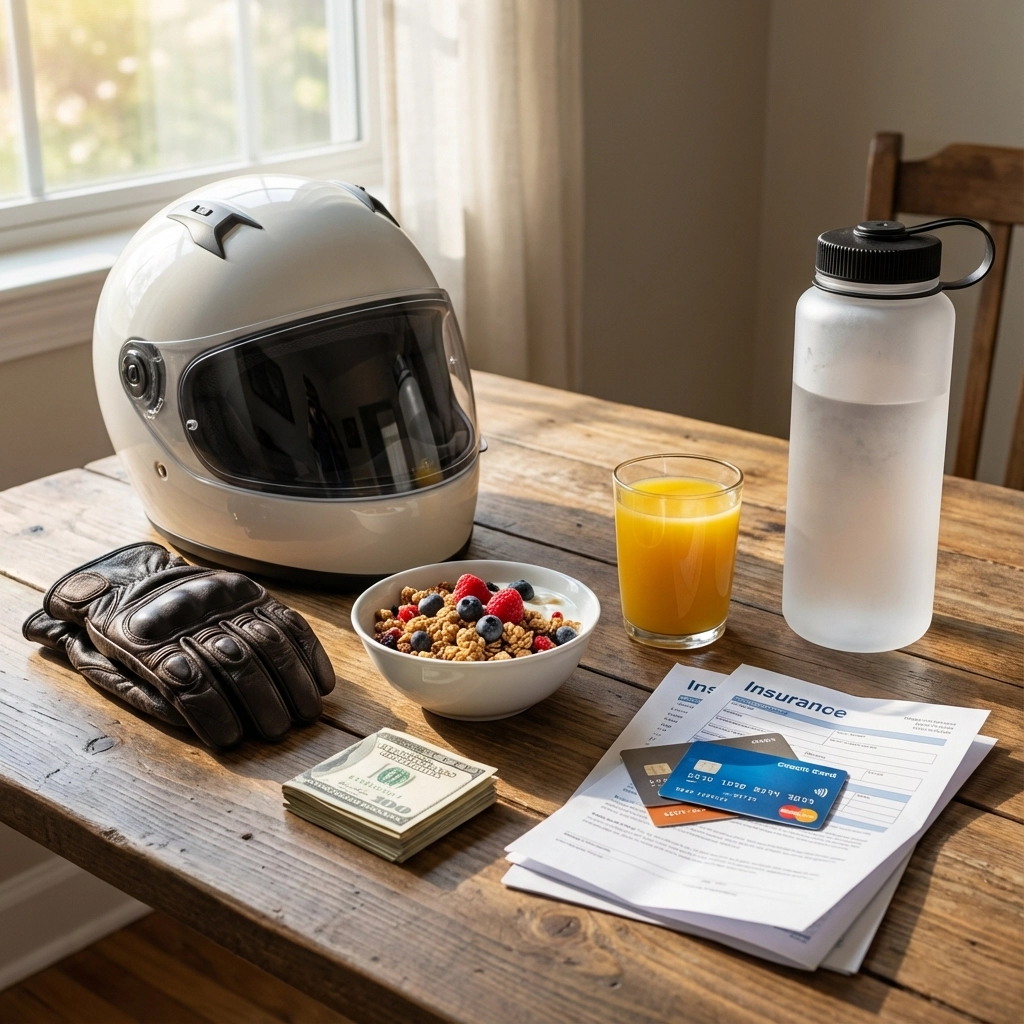
Physical and financial preparation go hand in hand with mechanical preparation. Get a good night's sleep before departure, eat a light but nutritious breakfast, and stay well-hydrated throughout your journey.
Pre-Tour Preparation:
Rest well the night before
Bring cash for remote locations
Ensure your insurance covers touring activities
Carry emergency credit cards
Plan for unexpected expenses (repairs, lodging changes)
Your mental state matters as much as your physical readiness. Long-distance touring requires sustained concentration and decision-making, so start your journey refreshed and alert.
10. Consider Professional Guidance for Your First Major Tour
If you're feeling overwhelmed by all this planning, you're not alone. Many riders find that their first major touring experience goes much smoother with professional guidance. Guided motorcycle tours remove the stress of route planning, accommodation booking, and mechanical concerns while letting you focus entirely on the riding experience.
Professional tour operators handle the logistics, provide mechanical support, and offer the security of traveling with experienced guides who know the roads and local conditions. For new riders especially, this support can transform a potentially stressful experience into pure adventure.
Ready to Plan Your Perfect Motorcycle Adventure?
Proper planning transforms a motorcycle tour from potentially stressful to definitively memorable. Each of these ten points addresses real challenges that riders face on the road, and implementing them will significantly improve your touring experience.
Remember, the goal isn't to eliminate all spontaneity: it's to create a solid foundation that allows you to enjoy unexpected discoveries without worrying about basic safety and logistics. Whether you choose to plan everything yourself or join a professionally guided tour, these fundamentals will serve you well on every adventure.
The open road is calling, and now you have the knowledge to answer with confidence. Start planning that dream tour( your perfectly prepared adventure awaits.)
Comments