
Beginner's Guide to Adventure Motorcycle Tours: Everything You Need to Succeed (Without the Fear)
- Adam Solomon

- Dec 29, 2025
- 5 min read
Picture this: you're cruising down a winding mountain road, the engine purring beneath you, spectacular views stretching endlessly ahead, and that incredible feeling of freedom that only comes from adventure motorcycle touring. If you've been dreaming about your first motorcycle adventure but feel overwhelmed by where to start, you're not alone. The good news? With proper preparation and the right approach, you can confidently embark on your first adventure tour and create memories that'll last a lifetime.
Adventure motorcycle touring doesn't require years of experience or expert-level skills: it just requires smart planning, proper preparation, and the right mindset. Whether you're considering a scenic highway tour or thinking about joining a guided motorcycle tour, this comprehensive guide will walk you through everything you need to know to succeed on your first adventure.
1. Choose Your Adventure-Ready Motorcycle
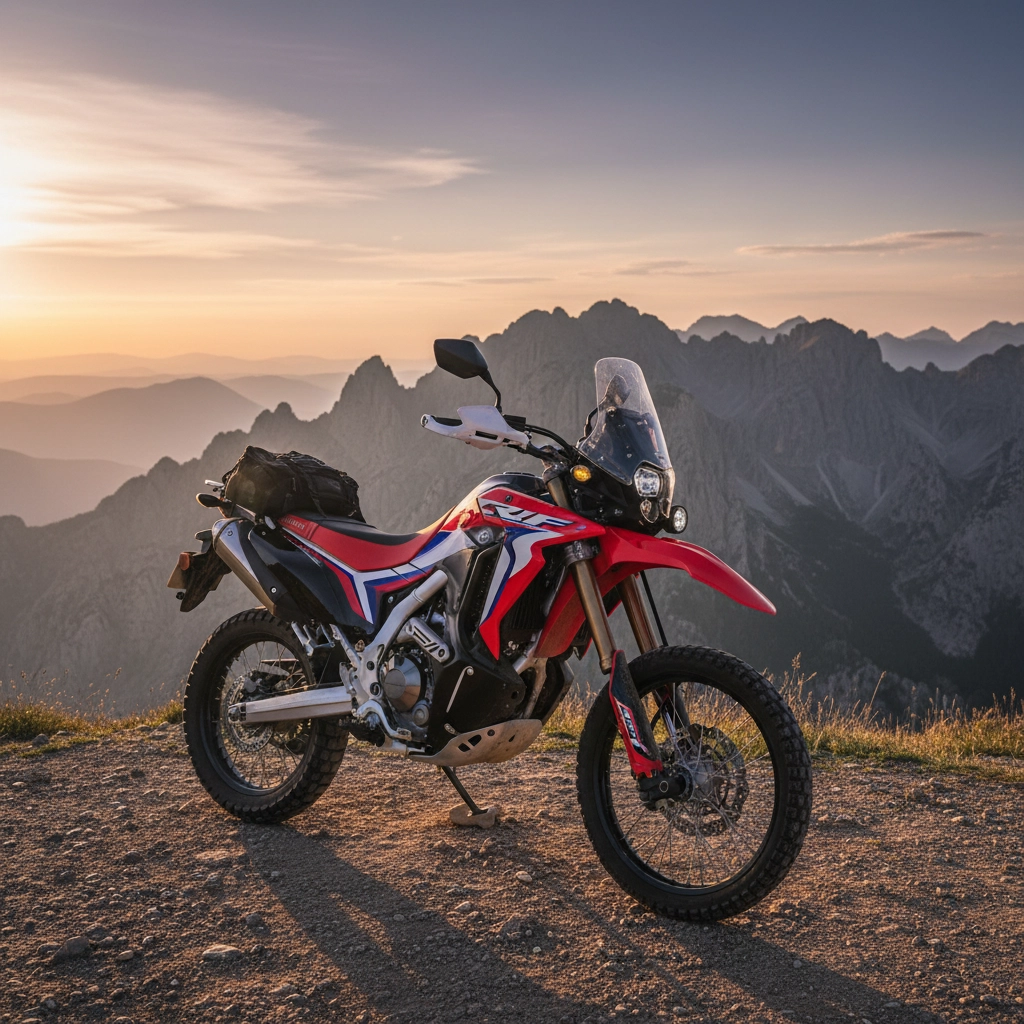
Your motorcycle choice significantly impacts your entire touring experience, so choose wisely. When selecting a bike for your first adventure tour, prioritize models that balance capability with manageability rather than going for the most powerful option available.
Key Features to Look For:
Large-capacity fuel tanks for extended range between stops
Comfortable, upright seating position for long-distance comfort
Windshield protection to reduce fatigue from wind buffeting
Reliable, low-maintenance design for peace of mind on the road
The Honda CRF300L Rally exemplifies an excellent beginner adventure bike: it's comfortable on highways, capable in varied conditions, remarkably easy to ride, and requires minimal maintenance. Look for motorcycles that feel manageable at low speeds, as you'll be doing plenty of slow-speed maneuvering during photo stops and navigation checks.
Consider your physical size and strength when selecting a bike. A lighter motorcycle becomes much easier to handle when fully loaded with touring gear, especially when you need to maneuver in tight spaces or pick it up if it tips over.
2. Master the Art of Route Planning
Selecting an appropriate route sets the foundation for your entire adventure. Start with well-known, scenic routes designed for newer riders rather than challenging off-road terrain that requires advanced skills.
Beginner-Friendly Route Options:
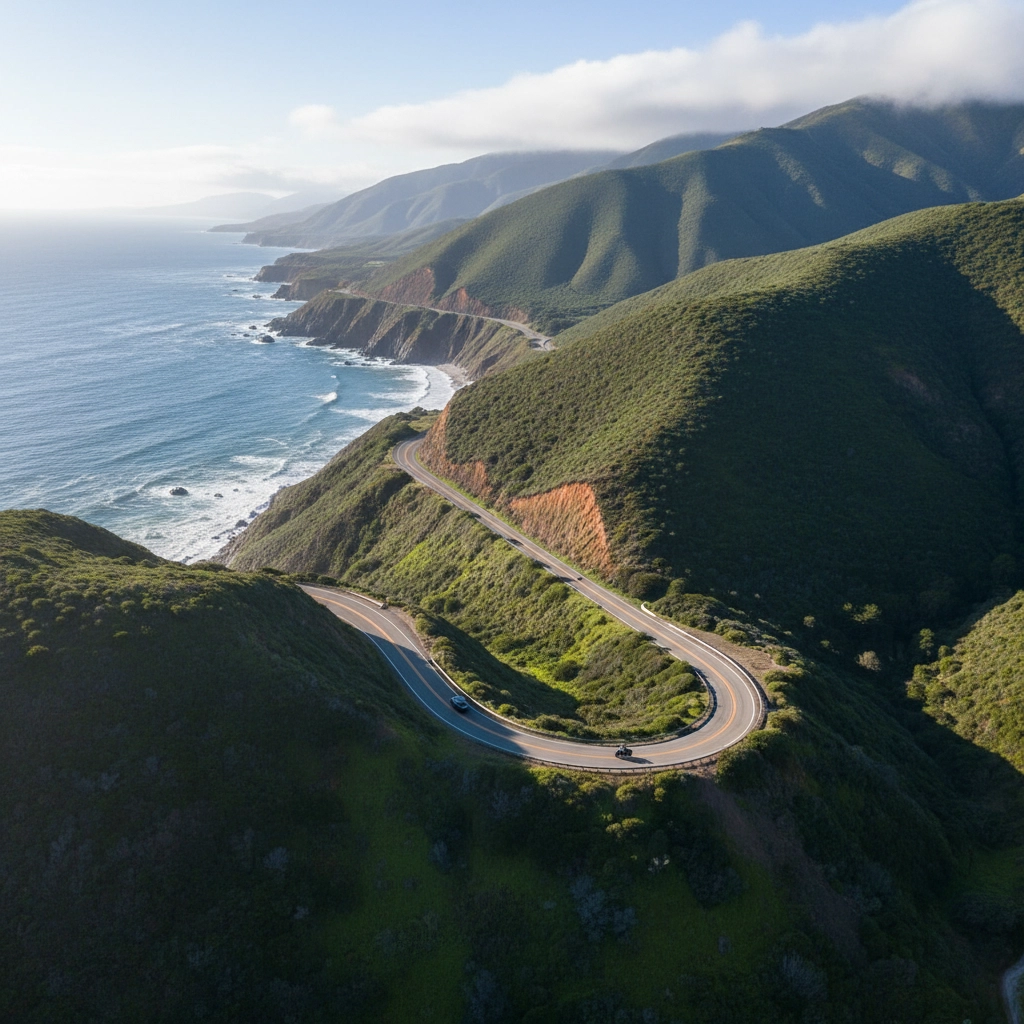
The Pacific Coast Highway in California features smooth, well-maintained roads with gentle curves and reasonable speed limits: perfect for developing your touring skills while enjoying breathtaking ocean vistas.
The Blue Ridge Parkway spanning Virginia and North Carolina provides easy-going curves with numerous safe stopping points and stunning Appalachian mountain views.
Florida Keys comprises mainly straight roads with minimal elevation changes, making it ideal for those just starting their adventure touring journey.
Planning Your Daily Distances: Keep daily riding between 150 to 250 miles initially. This distance allows you to enjoy the ride, take frequent breaks, explore interesting stops, and arrive at your destination feeling good rather than exhausted. Remember, adventure touring is about the journey, not just covering maximum distance.
Use motorcycle-specific apps like Rever or Calimoto alongside Google Maps to identify scenic roads and plan strategic stops. These tools help you discover routes that prioritize beautiful scenery over the fastest path between two points.
3. Master Essential Preparation and Packing
Proper preparation transforms a potentially stressful experience into pure enjoyment. The key is packing thoughtfully rather than overpacking: carrying excessive gear compromises your bike's handling and your comfort level.
Documentation and Financial Essentials:
Driver's license and motorcycle endorsement
Motorcycle registration and current insurance information
Emergency contact list with phone numbers
Mix of cash and credit cards for maximum flexibility
Travel insurance documentation
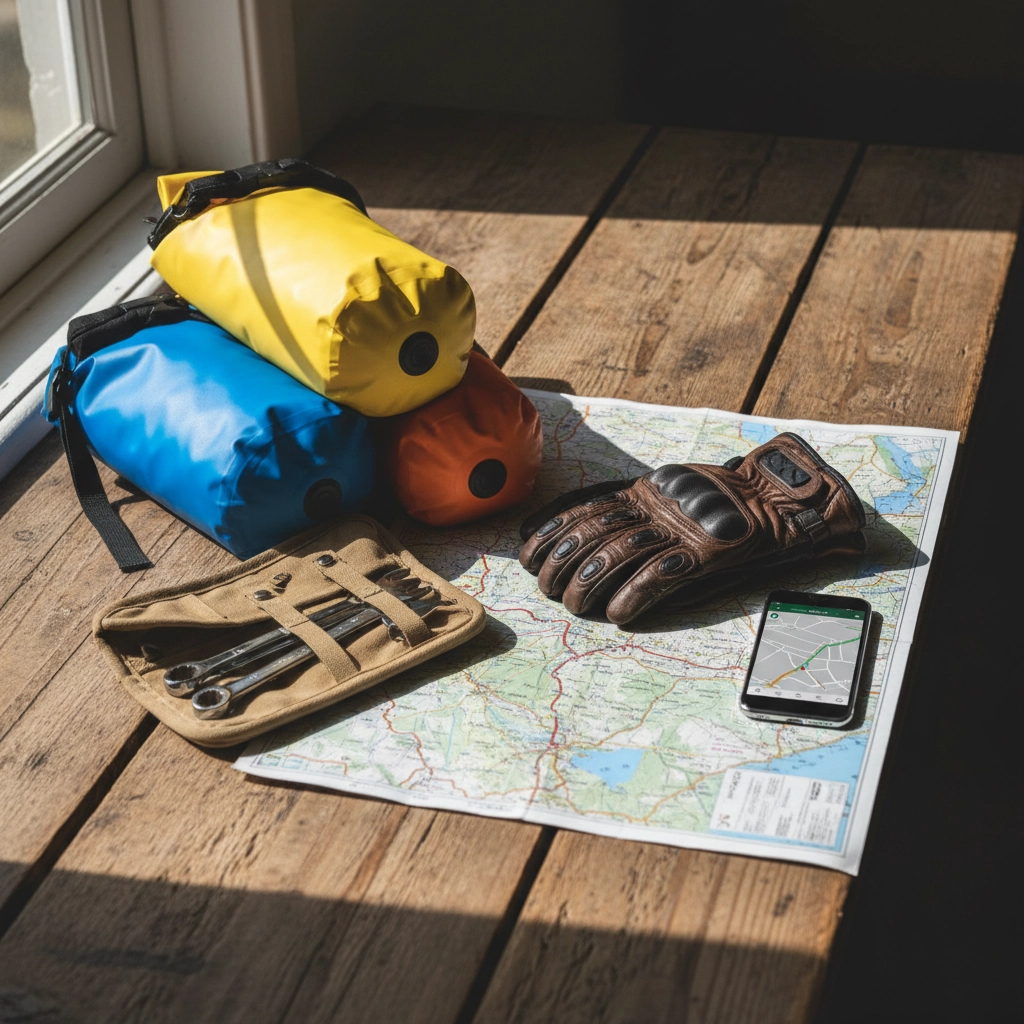
Strategic Packing Guidelines: Pack in layers to adapt to changing weather conditions throughout your journey. Include a compact toolkit for emergency repairs: flat tires and minor mechanical issues can happen anywhere. Invest in quality dry bags to keep your gear organized and protected from unexpected weather.
Customize your gear based on expected terrain and weather conditions. Add extra layers for mountain routes where temperatures drop significantly, and prioritize sun protection for desert tours where shade is scarce.
4. Invest in Proper Training and Skill Development
Training represents the most crucial step for beginning adventure riders. Even if you have extensive experience riding standard motorcycles on regular roads, adventure touring requires specialized knowledge and techniques that differ significantly from everyday riding.
Why Professional Training Matters: Adventure riding involves managing different surfaces, varying weather conditions, and challenging terrain that require specific skills. Professional instruction teaches you concepts like managing target fixation, mastering bike control on loose surfaces, and reading terrain effectively.
Consider enrolling in a reputable adventure riding school or joining guided tours designed for new riders. These experiences provide valuable hands-on education while building confidence in a supportive environment with experienced guides.
Essential Skills to Develop:
Low-speed maneuvering and balance techniques
Proper body positioning for different surfaces
Emergency braking and collision avoidance
Reading and adapting to changing road conditions
The investment in proper training pays dividends in both safety and enjoyment throughout your touring adventures.
5. Create a Realistic Budget
Adventure touring involves various costs beyond just fuel, so create a comprehensive budget that accounts for all potential expenses. This planning prevents financial stress from derailing your adventure experience.
Budget Categories to Consider:
Fuel costs based on your route and bike's fuel efficiency
Accommodations ranging from camping to hotels
Food expenses including restaurants and grocery stops
Gear and equipment purchases or rentals
Emergency fund for unexpected repairs or medical needs
Include buffer money for spontaneous experiences: sometimes the best adventures happen when you spot an interesting detour or discover a local attraction worth exploring. If you're considering professional tour services, they typically provide detailed budget information upfront, helping you plan more precisely.
6. Prioritize Safety and Smart Decision-Making
Your mental approach and commitment to safety determine your touring success more than any gear or motorcycle choice. Develop a mindset that prioritizes smart decision-making over taking unnecessary risks.
Safety Fundamentals:
Never rush into challenging terrain beyond your current skill level
Take the safest routes when exploring unfamiliar territory
Ride at speeds that allow you to read terrain and react appropriately
Learn to recognize and avoid situations that exceed your capabilities
Remember that adventure touring is about gradual skill progression. Each tour should build upon previous experiences, slowly expanding the types of terrain and challenges you can confidently handle.
Weather and Terrain Awareness: Monitor weather conditions and adjust your plans accordingly. Riding in severe weather or challenging conditions when you lack experience can quickly turn an adventure into a dangerous situation. There's no shame in waiting out bad weather or choosing alternate routes: experienced adventure riders make these decisions regularly.
7. Choose Your Adventure Style
Adventure touring offers multiple approaches, and selecting the right style for your first tours sets you up for success and enjoyment.
Guided Tours for Beginners:Structured tours designed for new riders provide safe, educational experiences with expert guides who know the routes intimately. These tours typically include regular breaks, group discussions about riding techniques, and immediate support if you encounter difficulties.
Self-Guided Adventures: If you prefer independence, start with well-documented routes that other riders have completed successfully. Join online communities where you can ask questions and get advice from experienced adventure tourists who've traveled your planned routes.
Consider your learning style and comfort level when choosing between guided and independent touring. There's no right or wrong choice: only what works best for your situation and goals.
Start Your Adventure Journey Today
Adventure motorcycle touring combines the freedom of the open road with personal growth and unforgettable experiences. By choosing appropriate motorcycles and routes, preparing thoroughly, investing in proper training, and maintaining a safety-first mindset, you can confidently embark on your first adventure tour.
Remember that every experienced adventure rider started exactly where you are now: excited about the possibilities but uncertain about the details. The key is taking that first step with proper preparation and realistic expectations. Each tour will build your skills, confidence, and hunger for the next adventure.
Your motorcycle adventure awaits, and with the right preparation, you're ready to answer that call. The roads are calling( are you ready to answer?)
Comments